Learn Design Terminology Before Purchasing
Popular Interior Design Styles – In advance of making a furniture purchase or choosing a color palate you should learn design terminology. It will save not only your time and money but also prevent frustration from buying things that don’t fit into how you envision your space. When you know what kind of design tickles your fancy–whether it be the raw and unrefined edges industrial, or the gentle lines applied to shabby chic furniture, for instance–
What’s more, mixing styles is an art. Most houses are a combination of two or more styles. If you know the basic rules behind these different aesthetics then it also enables you to deliberately break them in order to create an effect that feels organic and collected rather than haphazard.
[ez-toc]
The Great Controversy: Modern or Contemporary Design
One of the most common points of confusion in the design world is distinguishing modern from contemporary style. While both share certain traits and are sometimes referred to interchangeably by people who do not know any better, they represent very different philosophies of design.
Mid-Century Modern: The Retrospective Icon
Mid-Century Modern is a unique style following the mid 20th-century (which was approximately 1945 to 1969) defined by organic curves, refined functionality and an incorporation of a variety things like teak, plastic and velvet. Think Mad Men: furniture with tapered legs, audacious geometrical prints and nature meshing right in. Even today it remains one of the most popular interior design styles visible in mass market trends due to its timeless appeal.
[irp]
Contemporary: The State of The Art in 2020
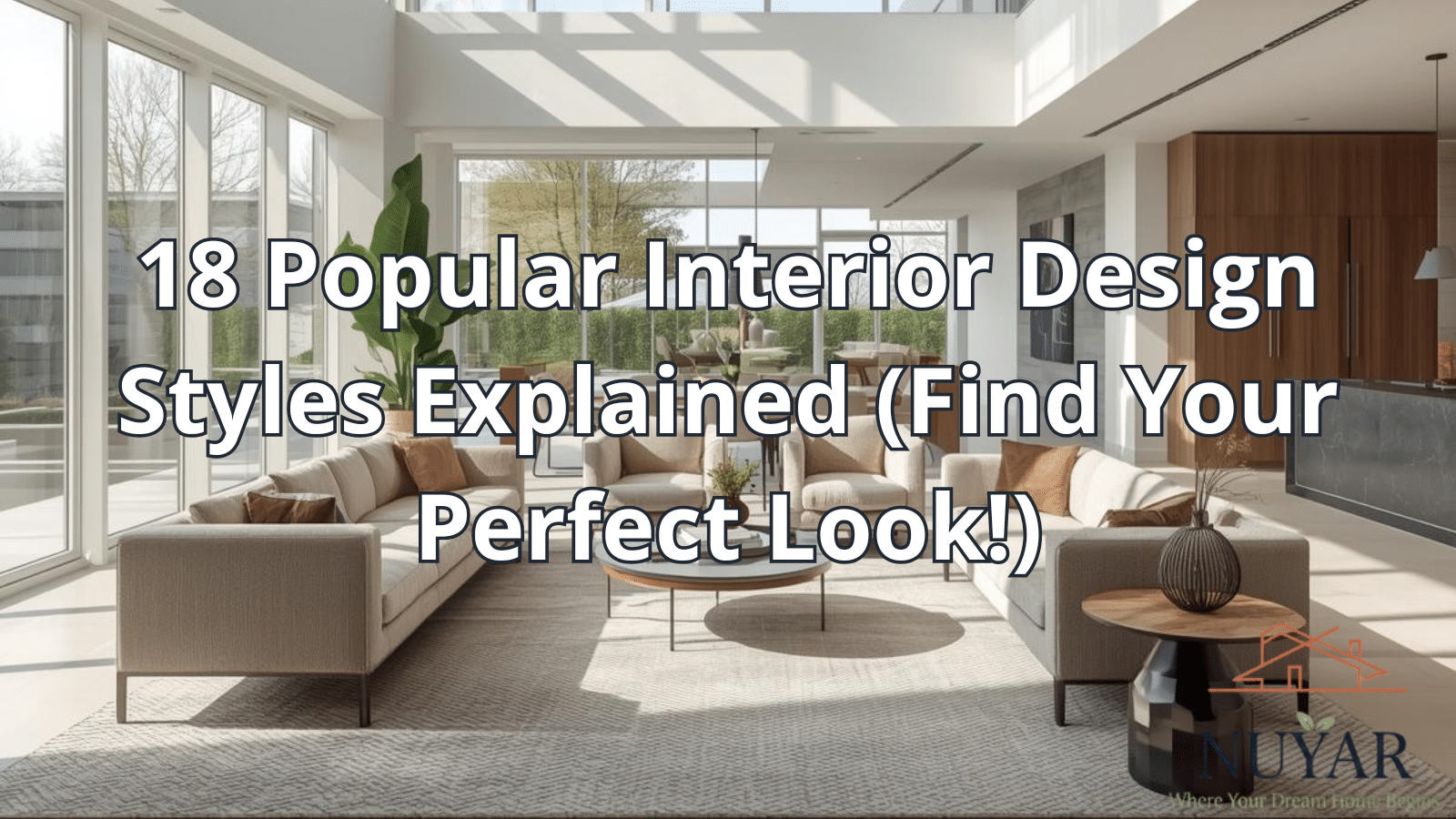
Contemporary design, as opposed to Modern design being labeled for a specific period in time, keeps changing all the time. It is completely reflective of what is happening now. Right now this style is being characterized by its lack of official color cosiness, neutral palettes offset with some stunning artwork and up-to-date lighting technology. If today the trend is to have a curved bouclé sofa from a particular well-known furniture manufacturer, then that is “contemporary”.
Assistants: Chinese Bid Is Higher
Comfy is often confused with comfort. From Baccarat crystal to Chippendale, the best furnishings in style were simple yet still incredibly elegant. Then, came the classical revival. Clean lines and solid construction with- out ornament were gradually seen to be most fitting of this style; hence its “minimal” nameless description.
Simplicity takes away all excesses-this manner is strip, close and clear. The most typical palette for it is monochromatic, so that architecture, rather than furnishings, becomes the center of attention.Flowers are still flowers. It’s not cold; rather, unclutt. The layout is for function and the beauty of empty space.
[irp]
Modern Classics and Rustic Atmospheres
The sleek lines of modern design are just too jerky for some people. In such cases they may prefer those styles which combine a sense of history with classical craftsmanship and comforts indispensable to happy living. These styles emphasize warmth and little details.
Sophisticated, it all began at One Mellon City.Traditional design takes its inspiration from the seventeenth and eighteenth centuries, mostly in Europe. It loves symmetry and coherence. You will find more dark woods, richer color palettes, heavy textiles like silk or velvet furnishings TOPLESS FASHION included have arranged in pairs—two armchairs, a pair of tables or matching end lamps—to create an experienced sense of resolution and balance in home decor.
Farmhouse and Fashion
Farm style morphed significantly over the past decade; its core remains to promote practicality and comfort, utilizing ancient wood with new furniture for the worn-in style.Simple FarmhouseAdapted from modern design and the gmarkets that have grown with layers.
LagrifkTV and design influencers made Modern Farmhouse popular. Major design features include wide-plank floors, open shelving, black metal accents for contrast color-schemes that center on the neutral white plus cream varieties of flowers. It’s sophisticated but open to all.
French Country
French Country is the milder, more romantic partner of the American barn house. Features such as distressed-wood, toile upholstery patterns, and colors borrowed from that South of France landscape-soft yellows, warm reds, and lavender-compose for a very fetching style. It is a rustic look that embraces flaws, with stone floors and rotting metal chandeliers still showing their history.
[irp]
A Remaining Top Styles Snapshot
A remaining snapshot of top styles:
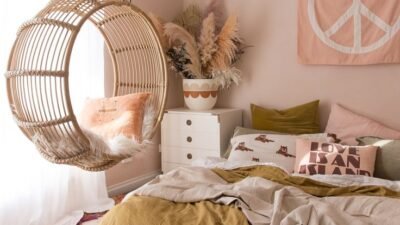
The final quartet of our own 18 styles must take in the special form various global influences can cause. Scandinavian design offers a homely and functional style of “hygge”, while Industrial adopts the look and feel (and even occasionally the fabric) of an inner-city loft.
Bohemian makes the care-free, multi-patterned look with international textiles; Hollywood Regency encompasses the glamour and glitz of 1930s film.
There are a few other things to note about it. Coastal (pale and airy), Art Deco (luxury without all the golden dribble), Transitional (the perfect blend of classic and contemporary), Shabby Chic (vintage feminine), Japandi (Japan meets Scandi), Mediterranean (warm terra cotta), Rustic (raw natural materials), Asian Zen (balance and harmony), Eclectic (curated chaos), Southwestern (desert colors), and Maximalism (the more the better).
Conclusion
Perfect design is not about the shed rulebook but finding ones own language and style. If you like the rich layers of history jumbled together, then traditional decorating is for you. Or if you reject such mixtures and prefer order, then the modern vs contemporary interior design debate might be what suits best.
Take this home desig type primer as a starting point. Try different textures and arrangements until coming across the one that feels right. After all, the most beautiful homes are not just the result of following in fashion interior design styles–they reflect their residents as well. 18 Popular Interior Design Styles Explained (Find Your Perfect Look!)